The Electrical Upgrades Homeowners Wish They Had Done During Their Remodel


Electrical upgrades for a remodeled home by Bayless Electric

One thing electricians hear from homeowners after a remodel is:

“I wish we had thought about that while the walls were open.”

It is one of the most common regrets during remodeling projects.

When you are choosing cabinets, flooring, countertops, paint colors, fixtures, and finishes, it is easy to focus on what you can see.

But some of the most useful upgrades are the ones hidden behind the walls.

A remodel is the perfect time to think about how you actually use your home and what could make daily life easier.

Some of the upgrades homeowners often wish they had considered include:

  • Additional outlets in convenient locations
  • More kitchen countertop outlets
  • Under-cabinet lighting
  • Dedicated circuits for appliances
  • Better bathroom lighting
  • Additional garage or workshop power
  • Outdoor outlets
  • Landscape or security lighting
  • Wiring for a future EV charger
  • Data or internet wiring
  • Smart switches and dimmers
  • Dedicated circuits for a freezer, refrigerator, or equipment
  • Power for a future hot tub, heat pump, or outbuilding
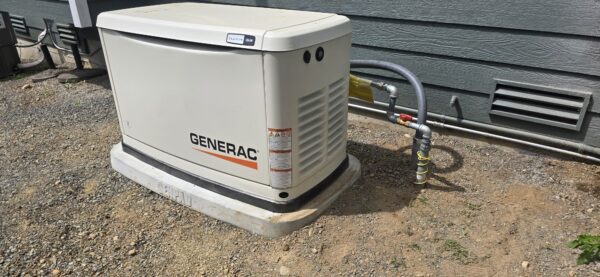
  • Backup-power planning
  • Extra lighting in closets, pantries, or utility areas

Kitchens are a major example.

Homeowners often realize later that they needed more outlets, better task lighting, or dedicated power for appliances they did not originally plan for.

The same thing happens in garages and workshops. A single outlet may have worked years ago, but it may not be enough for tools, freezers, chargers, heaters, or future equipment.

Home offices are another area worth planning carefully. More people are working from home, and reliable power, lighting, internet access, and equipment placement matter more than they used to.

The biggest advantage of planning early is access.

Once drywall is installed and the walls are finished, adding new wiring can become more complicated and expensive.

That does not mean you need to install every possible upgrade right now.

It simply means it is worth having the conversation before the walls close.

You may decide to add conduit, reserve panel space, install wiring for a future project, or make a few small changes now that save a lot of trouble later.

Your home will likely continue to change over time.

A growing family, new technology, electric vehicles, a workshop, a home office, or another renovation can all affect how you use the electrical system.

A little planning during a remodel can save a lot of frustration later.

If you are planning a remodel, addition, or major home upgrade, Bayless Electric can help you think through your electrical needs today while preparing your home for tomorrow.

Call Bayless Electric at 206-708-3105 or contact us online to discuss your project.
WA License: BAYLEEL823RC

Can My Electrical Panel Handle an EV Charger?

Home EV charger mounted beside a house for Bayless Electric’s electrical panel guide

As electric vehicles become more common, one of the questions Bayless Electric hears most often is:

“Can my electrical panel handle an EV charger?”

The honest answer is that it depends.

Every home is different. The age of the home, size of the electrical service, current electrical demand, type of charger, and location of the installation can all affect what is needed.

Many homeowners assume they automatically need an EV charger panel upgrade before installing home charging equipment. Sometimes they do, but not always.

A professional electrical evaluation can help determine what your home can safely support before you purchase a charger or commit to a particular installation plan.

Not All EV Charging Is the Same

The first thing to understand is that not all electric vehicle charging is the same.

A Level 1 charger typically uses a standard 120-volt household outlet. It charges more slowly, but it may work well for drivers who do not travel far each day or who have plenty of time to recharge their vehicle overnight.

A Level 2 charger charges much faster but usually requires a dedicated 240-volt circuit. That additional electrical demand is where the capacity and condition of your electrical panel become especially important.

The U.S. Department of Energy’s guide to charging electric vehicles at home provides additional information about Level 1 and Level 2 charging equipment.

What an Electrician Reviews Before Installation

Before recommending an installation approach, an electrician should review several parts of the home’s electrical system, including:

  • The size of the electrical service
  • The condition and capacity of the existing panel
  • The number of available breaker spaces
  • The home’s current electrical load
  • Major appliances already in use
  • The electrical requirements of the selected charger
  • The distance from the panel to the charging location
  • Whether wiring must travel through finished walls, attics, crawlspaces, garages, or outdoor areas

The charger itself is only one part of the project. The installation route, wiring requirements, panel location, and existing electrical demand can all affect the final recommendation.

Why an Electrical Load Calculation Matters

An electrical load calculation helps determine whether the home’s existing system has enough capacity to safely support an EV charger.

This calculation considers the electrical demands already placed on the home, including heating and cooling equipment, water heaters, ranges, dryers, hot tubs, and other major appliances.

Having an open breaker space does not necessarily mean the electrical system has enough available capacity. The electrician must look at the entire electrical load, not only the physical space inside the panel.

In some homes, the electrical service may already have plenty of capacity for a Level 2 charger. In others, adding a high-demand circuit could place too much strain on the existing system.

When Is an EV Charger Panel Upgrade Needed?

An EV charger panel upgrade may be recommended when the existing electrical service cannot safely support the charger’s additional demand.

A panel or service upgrade may also be appropriate when:

  • The existing panel is outdated or in poor condition
  • There are not enough available breaker spaces
  • The home is already operating close to its electrical capacity
  • Other major electrical upgrades are being planned
  • The selected charger requires more power than the current system can provide

However, a full panel replacement is not always the only option.

Depending on the home, charger, and driving needs, load-management equipment or another installation approach may help support EV charging without immediately replacing the entire electrical panel.

Load-management equipment can help control when or how much power the charger uses based on the other electrical demands in the home. Whether that solution is appropriate depends on the equipment, electrical system, and installation requirements.

That is why the evaluation should come before the assumption that a major upgrade is necessary.

Why an Evaluation Is the Best First Step

An electrical evaluation gives you real information before you purchase equipment or assume the project will be more complicated than it actually is.

It can help answer important questions such as:

  • What charging level makes sense for your driving habits?
  • Can the existing electrical service support the charger?
  • Is there enough space in the panel?
  • Would load management be an option?
  • How will the charger be connected to the panel?
  • Will the installation require work in finished areas?
  • Are permits and inspections required?

Permits and inspections may be required depending on the equipment and installation. Bayless Electric can explain what applies to your project and help ensure the work is completed safely.

It is also helpful to have the electrical system evaluated before purchasing a charger. Charger requirements can vary, and buying equipment first may limit your installation options or result in purchasing a unit that is not the best fit for your home.

Plan Your EV Charger Installation with Bayless Electric

An EV charger is one of the most convenient upgrades an electric vehicle owner can make. Waking up each morning with a charged vehicle can make a significant difference compared with regularly relying on public charging stations.

The key is making sure the home’s electrical system is ready to support that additional demand safely and reliably.

Whether you already own an electric vehicle or are planning to purchase one, Bayless Electric can evaluate your electrical panel, complete the necessary load calculations, and help you understand whether an EV charger panel upgrade or another solution is appropriate.

Call Bayless Electric at 206-708-3105 or visit baylesselectricllc.com to discuss your EV charger installation.

My Breaker Keeps Tripping. Is That Actually a Problem?

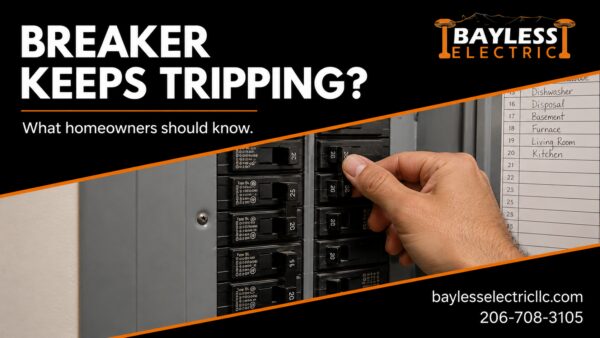
Bayless Electric graphic about a breaker that keeps tripping, featuring a residential electrical panel

One of the most common calls Bayless Electric receives starts with something like:

“My breaker keeps tripping, but I just keep resetting it.”

A tripped breaker is not always a reason to panic. In fact, the breaker is doing exactly what it was designed to do.

Circuit breakers are safety devices. They shut off power when they detect a condition that could overload the circuit, damage equipment, or create a safety concern.

The bigger question is not whether the breaker tripped.

It is why it tripped.

Sometimes the cause is fairly simple. You may have too many items running on the same circuit at once. This is common with things like:

  • Space heaters
  • Portable air conditioners
  • Garage refrigerators or freezers
  • Microwaves
  • Hair dryers
  • Power tools
  • Larger appliances

In those situations, turning off or unplugging one of the devices may solve the immediate problem.

To reset a tripped breaker, first turn off or unplug anything that may have overloaded the circuit. Then locate the breaker in the electrical panel. A tripped breaker may be sitting between the ON and OFF positions. Move it firmly to OFF first, then switch it back to ON.

If it resets and stays on, it may have been a temporary overload.

If it trips again, that is a sign to stop and look into the cause.

Repeated breaker trips can point to things like:

  • An overloaded circuit
  • A failing appliance
  • A loose electrical connection
  • Damaged wiring
  • Aging electrical components
  • A breaker that needs attention
  • An electrical panel that no longer meets the home’s needs

A breaker that trips once may not be a major concern.

A breaker that trips repeatedly is your electrical system asking for attention.

There are also times when you should leave the breaker off and contact an electrician instead of continuing to reset it. These warning signs include:

  • The breaker feels hot
  • You smell something burning
  • You hear buzzing or crackling
  • The breaker will not stay on
  • You notice discoloration near the panel
  • The issue keeps happening without an obvious cause

The breaker is reacting to a problem. Resetting it does not fix the problem behind it.

Electrical issues often start small. Finding the cause early can help prevent larger repairs, damaged equipment, or unexpected outages later.

Bayless Electric can help identify why the breaker is tripping, explain what is happening, and recommend the right solution for your home.

No pressure. No unnecessary upgrades. Just honest answers from a local electrical professional.

Call Bayless Electric at 206-708-3105 or visit baylesselectricllc.com.